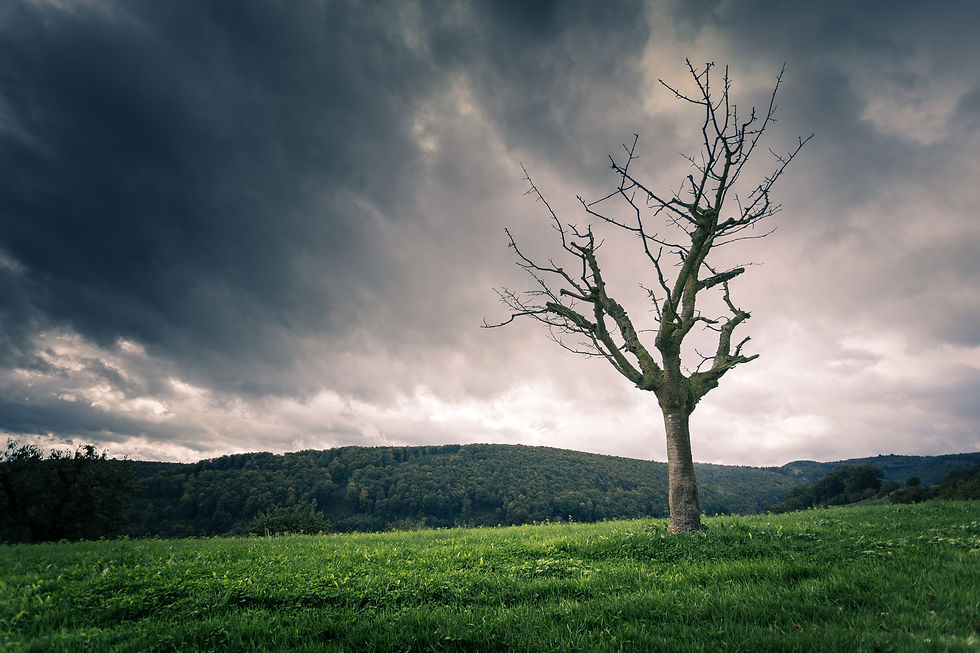
Ash Tree Stump Removal After Emerald Ash Borer
Your ash tree is down. Here's how to deal with the stump and get the spot ready for a new tree.
Emerald ash borer is here
Emerald ash borer (EAB) is an invasive beetle whose larvae tunnel under the bark of ash trees and cut off the flow of water and nutrients. The Colorado State Forest Service says infested ash trees typically die within two to four years. EAB was first found in Colorado in Boulder in 2013 and has spread along the Front Range.
In our service area it has been confirmed in Littleton (2023), Centennial (2024) and Denver (2025). Lakewood confirmed its first case in 2024, and Parker had Douglas County's first confirmed detection in 2026. Ash trees make up roughly 15% of Colorado's urban trees, so a lot of homeowners are going to face this decision.
Should you treat or remove your ash? That's a question for a certified arborist. We don't diagnose or treat trees; we take care of the stump once the tree is down.

What to do with the stump after an ash comes down
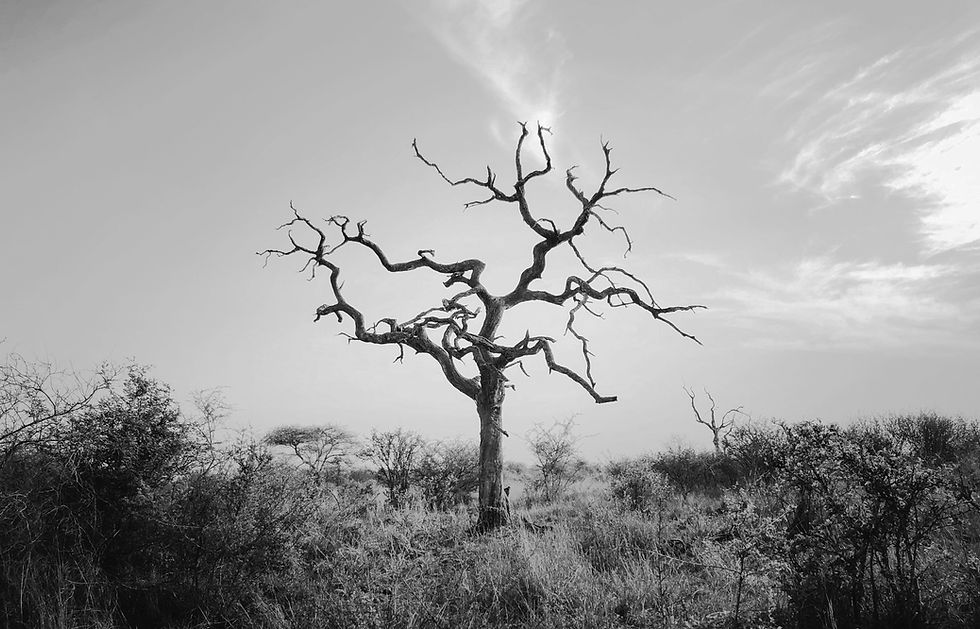
Once the tree is down, an ash stump causes the usual problems: it's a trip hazard, it gets in the way of mowing, and some ash stumps send up sprouts. Your options:
Grind it. We grind ash stumps 6 to 12 inches below grade so you can replant or reseed the spot.
Leave it. It will rot over many years, but you lose the use of that spot in the meantime.
Handling ash wood: firewood and ash debris can spread EAB if moved. Follow your city's guidance on disposing of ash wood. The grindings from a stump are small chips, and we can haul them away or leave them for you.
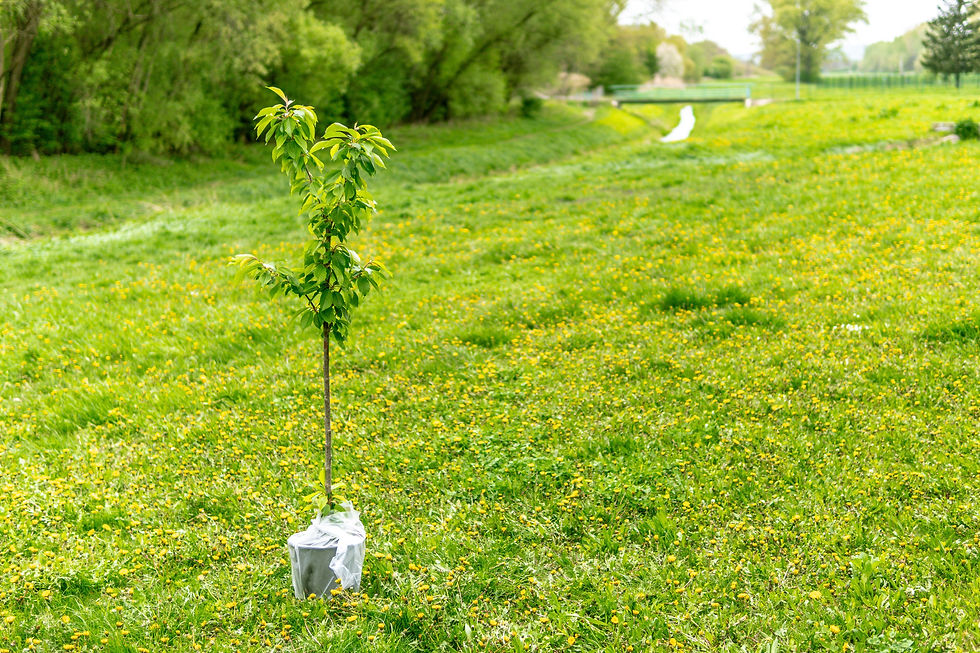
Getting the spot ready to replant: if you're planting near the old stump, ask for a deeper grind (closer to 12 inches), plant a few feet off the old center where possible, remove the grindings and backfill with topsoil (fresh wood chips mixed into planting soil tie up nitrogen), and choose a different species. Don't replace an ash with another ash.
EAB and replanting resources
Trusted sources if you have ash trees or are planning a replacement:
Colorado State Forest Service: Emerald Ash Borer
CSFS: How to identify an ash tree
CSFS: Recommended trees for the Front Range (PDF)
Denver Digs Trees (The Park People): free and low-cost replacement trees for Denver residents
Ash stump FAQ
Should I treat my ash or remove it? That's a question for a certified arborist. We don't diagnose or treat trees; we handle the stump once the tree is down.
Can you grind a stump that's right where I want the new tree? Yes. We'll grind deeper (around 12 inches). Remove the grindings and backfill with topsoil before planting.
How soon can I replant after grinding? Once the grindings are removed and the hole is filled with good soil, you can plant.
Do you take the ash tree down too? We grind stumps. Have the tree removed by a tree service first, then send us a photo of the stump.
What should I plant instead of ash? Pick a different species that suits your yard. The CSFS list of recommended Front Range trees is a good place to start.

Signs your ash tree may have EAB
The Colorado State Forest Service lists common warning signs of emerald ash borer:
Thinning leaves and dead branches, often starting at the top of the canopy.
Small D-shaped exit holes in the bark.
Vertical splits in the bark, with S-shaped tunnels underneath.
More woodpecker activity than usual.
New sprouts growing from the trunk or base of the tree.
These signs can have other causes, so have a certified arborist confirm before you decide to treat or remove. Once a tree has come down, we'll take care of the stump.
EAB status near you
Littleton: confirmed in 2023, the first case in Arapahoe County.
Centennial: confirmed in 2024.
Lakewood: first case confirmed in 2024.
Denver: confirmed in 2025.
Parker: Douglas County's first confirmed case, in 2026.
Highlands Ranch and Englewood: both sit next to cities with confirmed cases, so plan as if EAB is already in your area.
Wherever you are in the south metro, we can grind your ash stump below grade so the spot is ready for a new tree.
